

Change Control Processes: How to Prevent Scope Creep

Change Control Process

Did you ever feel like a simple client request just completely derailed your entire sprint and torched your budget?


When change control processes are broken, adding minor checklist steps or surface-level fixes simply will not save your project margins. Industry data compiled in Apollo statistics highlights that nearly 70% of projects experience scope creep when structured governance mechanisms are absent.


A change control process is a structured governance framework used to systematically evaluate, authorize, and manage project scope modifications. It acts as a controlled gateway, ensuring that alterations to deliverables, timelines, or resources never destabilize active operations.


Implementing this framework helps project managers eliminate friction, protect operating margins, and drive predictable delivery outcomes. Read on to learn how to master systematic change control, evaluate scope modifications without friction, and protect your enterprise margins from hidden leaks.


What Are Change Control Processes?


Change control processes are the core systematic procedures used to swiftly introduce necessary modifications into an ongoing project without destabilizing current operations.


Rather than acting as a rigid roadblock to progress, a proper change control procedure serves as a controlled gateway. It ensures that every requested modification is thoroughly evaluated before any resources are deployed.


By establishing this clear protocol, organizations achieve several critical objectives:


  • Operational Continuity: Current workflows and active development phases continue uninterrupted while new requests are reviewed, preventing chaotic context-switching among team members.
  • Cost Predictability: Every change is vetted for financial impact, ensuring budget allocations are respected and unexpected expenses are caught before draining resources.
  • Timeline Integrity: Deadlines remain realistic because new scope additions are weighed against existing capacity rather than blindly forced into current milestones.
  • Resource Optimization: Teams avoid burnout and misallocated effort by ensuring that only validated, high-priority adjustments make it into the active execution pipeline.

At the end of the day, a solid change control process takes what could easily turn into project chaos and turns it into a predictable routine, keeping your team sane, your budget intact, and everyone on the same page.

Why Are Change Control Processes Needed?


Change control processes become essential when external shifts or internal updates threaten to derail your project baseline. You need them because projects rarely move in a straight line from kickoff to delivery.


Organizations typically rely on structured change control to handle several key catalysts:


  • Changing Business Requirements: Stakeholder priorities, organizational goals, or funding allocations shift mid-stream, requiring immediate adjustments to project deliverables without breaking existing agreements.
  • Technological Factors: Rapid advancements, unexpected software dependencies, or infrastructure updates force teams to adapt their technical architecture on the fly.
  • Market Conditions: Shifts in customer demands, competitive pressures, or industry regulations mean your product must pivot to remain relevant and viable.
  • Software Issues & Bugs: Unforeseen technical hurdles, technical debt, or integration bottlenecks discovered during development demand controlled scope adjustments to fix safely.
  • Unforeseeable Environmental Challenges: Supply chain disruptions, resource shortages, or global events introduce external variables that directly impact team capacity and project timelines.
  • The Tech Revolution: The relentless pace of digital evolution and emerging tools means teams must continuously absorb new capabilities without destabilizing active operational pipelines.

Without a formal system to absorb these variables, your team is left constantly reacting to fires, leaving your timeline unprotected and your delivery goals at risk.


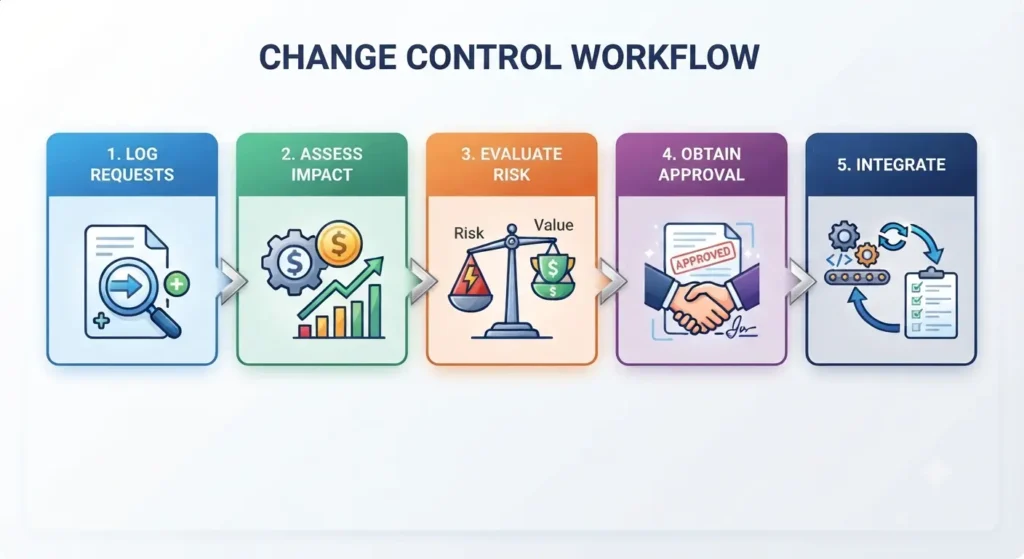
Change Control Process Workflow

Steps to Perform Change Control Processes


Without a bulletproof execution workflow, every unvetted project modification acts as a slow leak that quietly drains your team’s velocity and vaporizes profit margins.


  • Step 1: Identify and Log Scope Requests
    Capture every incoming modification request instantly in a centralized tracking system to prevent informal, hallway conversations from altering project direction.


  • Step 2: Analyze Technical and Financial Impact
    Evaluate the ripple effects of the proposed change across existing architecture, team capacity, and allocated budgets before giving any preliminary green light.


  • Step 3: Evaluate Risk Versus Value
    Weigh the strategic necessity of the adjustment against potential delivery delays, technical debt, and resource bottlenecks. (Fact-check perspective: Industry data consistently shows that unvetted scope modifications increase project failure rates by over forty percent, proving that a rigorous gatekeeper step is non-negotiable for enterprise delivery.)


  • Step 4: Obtain Formal Stakeholder Sign-Off
    Require explicit written approval from designated project sponsors and technical leads once the timeline and budget adjustments are fully calculated.


  • Step 5: Integrate and Monitor Baseline Updates
    Push the approved modification into the active development pipeline while simultaneously updating project documentation to track performance against the new baseline.

How to Tackle Change Control Process Challenges


Even the most robust change governance framework runs into operational friction, but overcoming these blockers requires proactive mitigation rather than passive enforcement.


  • Addressing Stakeholder Resistance:
    Educate project sponsors and client teams on how formal request channels protect their delivery deadlines rather than slow them down. Position the change control board as a value-add partner rather than an administrative obstacle.


  • Preventing “Shadow” Scope Changes:
    Eliminate verbal agreements and off-the-record promises made during client calls by enforcing a strict “no ticket, no work” policy. Ensure engineering and delivery teams direct all out-of-scope discussions straight to the formal change log.


  • Optimizing Slow Impact Analysis:
    Establish pre-approved impact templates and clear authorization thresholds to streamline low-risk modifications. Reserving deep technical evaluations strictly for major architecture or budget shifts prevents process bottlenecks.


  • Managing Misaligned Expectations:
    Maintain full transparency by making the change tracking log visible to key stakeholders in real time. Clear communication around cost adjustments and delivery impacts prevents friction when sign-offs are requested.

Final Thoughts


Mastering project evolution requires striking the perfect balance between operational agility and strict governance. When business demands shift, your team should never have to choose between missing deadlines and bleeding financial resources. Implementing a disciplined change workflow ensures every modification is intentionally evaluated, keeping your delivery pipelines moving forward with absolute clarity and control.


As you continue optimizing your enterprise project frameworks, take the time to refine your operational strategies and explore deeper insights on improving digital workflow efficiency over at ayushwrites.in.

Frequently Asked Questions

What is the primary purpose of change control processes in modern project management?

Change control processes act as a systematic governance gateway to evaluate and manage scope modifications without disrupting ongoing operations. By vetting updates before deployment, teams maintain timeline integrity and protect project profit margins.

How do change control processes differ from standard agile sprint planning?

While sprint planning manages day-to-day task execution and backlog prioritization within an iteration, change control specifically governs formal shifts to core project terms, deliverables, and budgets. It provides a higher-level framework to absorb major business pivots. To see how this applies to tactical execution, check out our insights on Tactical Operations.

What are the main trigger points that demand a formal change control procedure?

Formal change control is triggered when unexpected shifts threaten your project baseline. Common catalysts include changing stakeholder requirements, technological dependencies, evolving market conditions, unforeseen software bugs, or broad environmental challenges that impact resource availability and timelines.

What are the implementation risks of skipping a structured change workflow?

Skipping a structured change protocol exposes your organization to uncontrolled scope creep, unexpected budget overruns, resource burnout, and missed delivery deadlines. Without an evaluation gate, ad-hoc changes quietly drain your team’s velocity and erode enterprise profit margins.

Thank you for landing on this page and reading my blog. I will be writing more on project management and also cover my life insights as well. Stay tuned and subscribe to my newsletter. 

About Ayush Kumar

Ayush Kumar is an operational strategist and founder of ayushwrites.in, a platform built for enterprise leaders looking to transform chaotic workflows into high-margin growth engines. Specializing in Project Operations and advanced tech stacks, Ayush cuts through corporate fluff to bridge the gap between high-level strategy and scalable execution.


Through The Foundry, he deconstructs real-world business stories and case studies, revealing the exact frameworks behind successful enterprise scaling.


Originally from the “Land of the Ganga,” Ayush infuses his business strategies with human-centric life insights gathered from global travel. Want to scale your operations without the chaos?


Connect with Ayush on LinkedIn: In/AayushKnack
Amazing Years

I started my journey back in 2016, but started working officially since 2023. I worked with so many amazing companies and learnt a lot throughout this journey. And I’m still learning new skills and knowledge. 

Thank you for encouraging Me!

Each time you visit this page, you encourage me to perform better and better. So thank you for visiting and getting to know about me!

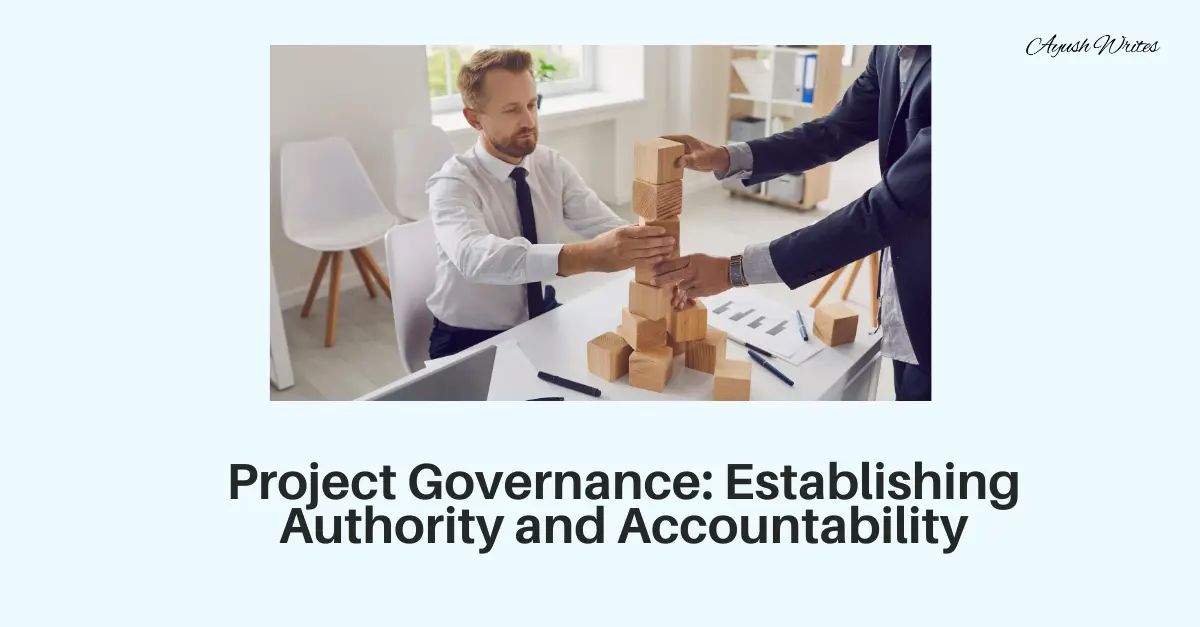
Project Governance

Project Governance: Establishing Authority and Accountability

Project Governance: Establishing Authority and Accountability There is a distinct point in every complex project where things can easily fall apart.   It usually doesn’t happen because the engineers don’t know how to build, or because the marketing team lacks...

Read More
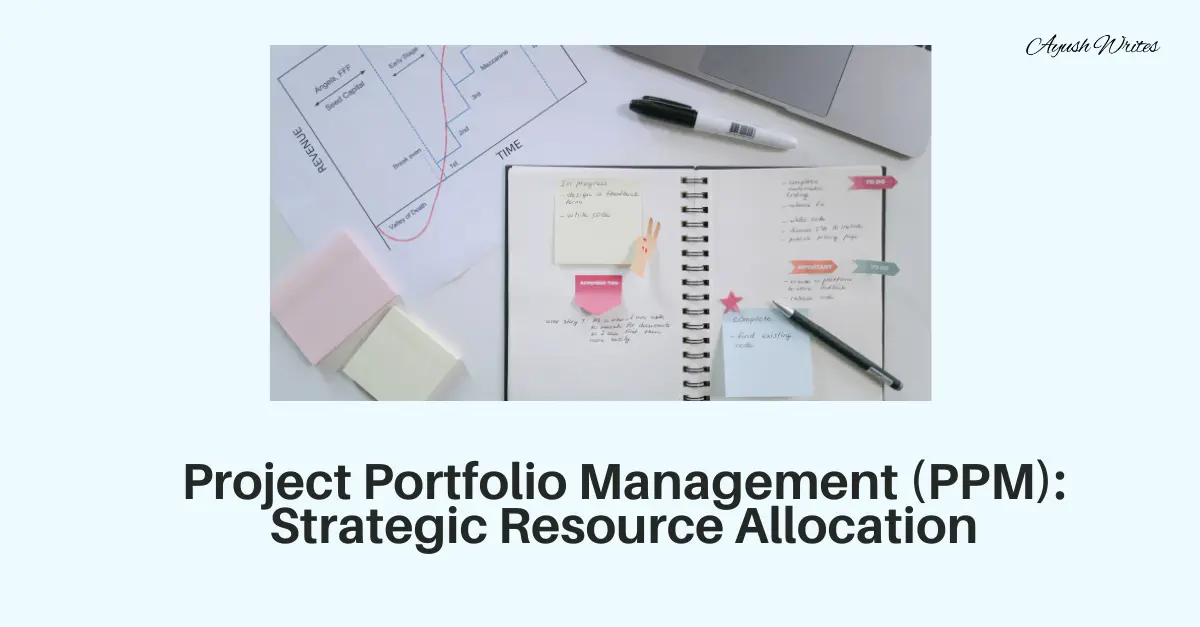
Project Portfolio Management Featured

How to Use Project Portfolio Management for Scaling ROI

How to Use Project Portfolio Management for Scaling ROI When managing complex operations, the most dangerous trap isn’t failing to hit a deadline it is letting your team sprint fast in the wrong direction. Delivering a project on time means...

Read More
SLA and OLA Delivery Timelines

How to Enforce SLA and OLA Delivery Timelines

How to Enforce SLA and OLA Delivery Timelines When managing complex operations, the most dangerous trap isn’t failing to hit a deadline it is letting your team sprint fast in the wrong direction. Delivering a technical asset on time means...

Read More