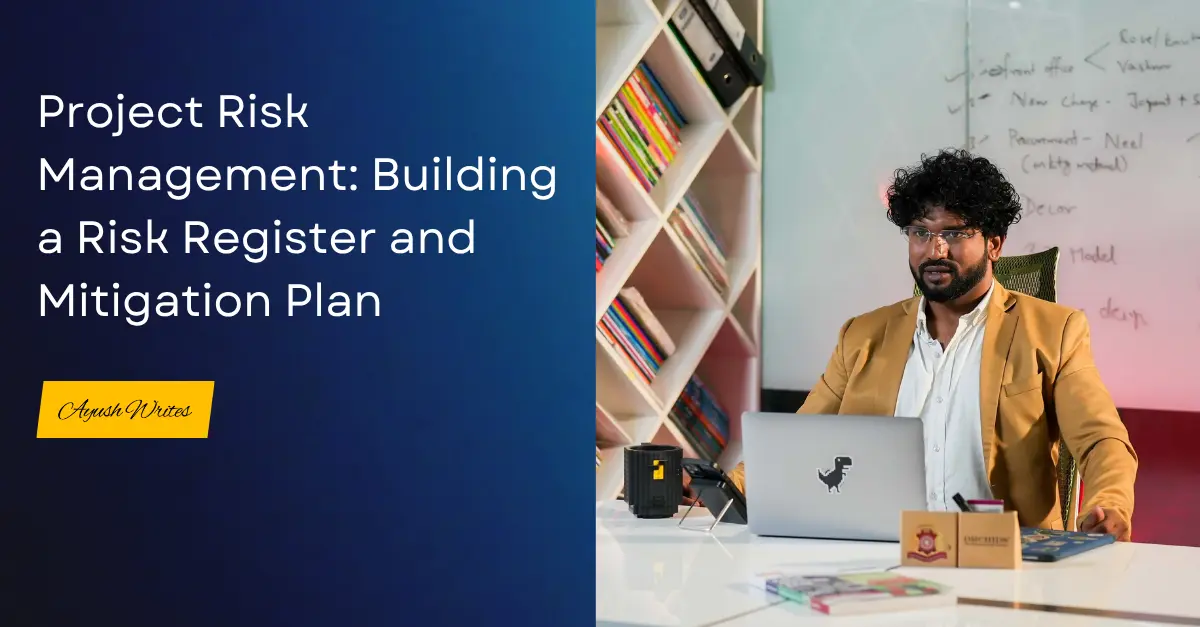


Project Risk Management: Building a Risk Register and Mitigation Plan

Project Risk Management

We have seen a lot of theories on efficient project management, but do you know that managing risk is the true backbone of operational success?


According to the Apollo Technical Analysis of Project Management Statistics, organizations waste an average of 11.4% of every dollar spent on projects due to inadequate operational structuring. 


This is where Project Risk Management comes into force – turning unpredictable hurdles into a strategic safeguard for project continuity. In this post, you will learn how to systematically audit dependencies, navigate leadership approvals, and build proactive contingency plans that protect your project lifecycle.


What is Project Risk Management?


Project Risk Management is an integral operational element that helps analyze risks swiftly, challenge them head-on, find optimal solutions, and ensure uninterrupted project continuity. It acts as a true lifeline for project managers and the business as a whole.


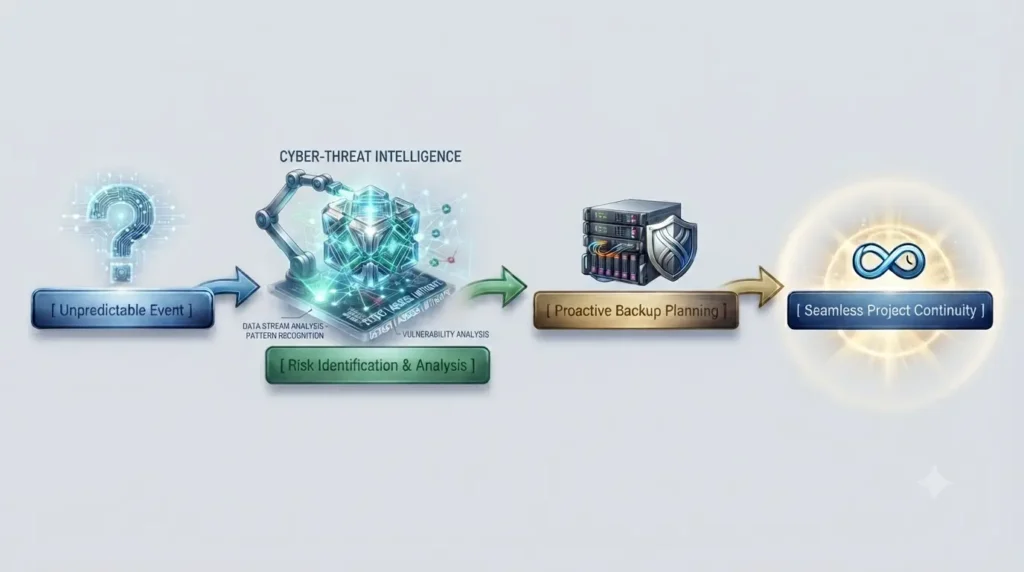
Plaintext

[ Unpredictable Event ] 

        │

        ▼

[ Risk Identification & Analysis ] 

        │

        ▼

[ Proactive Backup Planning ] 

        │

        ▼

[ Seamless Project Continuity ]


Unlike legacy methods that rely on reactive fixes and last-minute scrambling when issues arise, this approach uses structured analysis and upfront planning to neutralize bottlenecks before they impact delivery.


  • Eliminate handoff friction by mapping out staff, software, and approval dependencies ahead of time.
  • Protect project margins by preventing costly delays, resource shortages, and unexpected rework.
  • Drive revenue stability by keeping project timelines on track and safeguarding final deliverables.

Why is Project Risk Management needed?


Risks are entirely unpredictable, making it essential to identify and analyze potential obstacles long before they materialize. Without a dedicated framework, teams are left constantly reacting to disruptions rather than preventing them.


This process serves as a vital operational tool that audits all critical vulnerability factors, helping teams stay ahead of:


  • Resource and Staff Constraints: Spotting potential bandwidth shortages, skill gaps, or sudden team departures before they stall deliverables.
  • Technology and Infrastructure Shifts: Anticipating rapid shifts in technology or unexpected tool updates that could break existing workflows.
  • Software and System Bugs: Identifying critical code or software glitches early to prevent major system failures mid-project.
  • Operational Bottlenecks: Catching hidden roadblocks such as delayed approvals or accessibility issues that quietly drain time and resources.
Project Risk Management Process

Steps to Perform Project Risk Management


Before diving into execution, you need a repeatable framework to catch bottlenecks before they disrupt your delivery timeline. Executing this effectively requires a structured, multi-phase approach to handle everything from resource allocation to unexpected technical glitches:

  • Phase 1: Thorough Dependency Audit
    • Evaluate staff bandwidth, cross-functional dependencies, and resource allocation to prevent labor bottlenecks.
    • Audit immediate and long-term financial budgets to ensure capital is properly secured.
    • Map out mandatory leadership sign-offs and approvals, factoring in potential administrative delays as a primary project risk.
    • Catalog hardware specifications, machinery requirements, software licenses, and secure system access permissions.


  • Phase 2: Risk Identification and Sorting
    • Run audited operational dependencies through a structured identification matrix to surface hidden vulnerabilities.
    • Evaluate each discovered threat based on its potential operational impact and likelihood of occurrence.
    • Categorize and rank the sorted risks so teams can focus their immediate energy on high-priority hazards.


  • Phase 3: Proactive Backup and Mitigation Planning
    • Build a robust, ready-to-deploy contingency plan for every single high-priority risk area.
    • Establish clear alternative pathways for delayed approvals, software bugs, or resource shortages.
    • Ensure operational protocols allow teams to pivot instantly when a bottleneck hits, keeping the project timeline entirely protected.

By following this structured approach, your team shifts from constant reactive firefighting to predictable, resilient project delivery. Having these guardrails in place ensures that even when unpredictable hurdles arise, your operations pivot instantly without breaking momentum.

Challenges in PRM and How to Tackle Them


Before implementing a comprehensive risk framework, delivery teams often run into organizational friction and operational hurdles that threaten to stall progress right from the starting line. Navigating these roadblocks requires clear, proactive counter-strategies to keep momentum intact:


  • Overcoming Leadership Resistance for Initial Approval
    • The Challenge: The primary hurdle is securing immediate clearance and buy-in from top leadership to formally launch the Project Risk Management process. Decision-makers often dismiss risk management as a bulky, time-consuming administrative exercise that adds unnecessary overhead rather than driving value.
    • How to Tackle It: Frame PRM not as restrictive red tape, but as a lean insurance policy that protects operational ROI, stabilizes resource utilization, and prevents costly project delivery failures. Presenting data-backed insights on how much budget is saved through early risk detection helps turn executive skepticism into active sponsorship.
  • Navigating Complex Risk Prediction and Analysis
    • The Challenge: Predicting future project vulnerabilities is inherently difficult and filled with hidden variables, making accurate forecasting a major hurdle for delivery leads. Unknown technical glitches, shifting dependencies, and human resource shifts can easily blindside a team.
    • How to Tackle It: Counter unpredictable forecasting by leaning heavily on historical project data, running consistent cross-functional audits, and keeping a dynamic, living risk register. Regularly reviewing past project metrics allows teams to spot recurring pattern bottlenecks before they materialize in current operations.

Conclusion


Project Risk Management bridges the gap between unpredictable project hurdles and long-term operational stability. By moving away from reactive firefighting and embracing a structured approach to dependency audits, risk sorting, and proactive mitigation, you protect your operating margins and ensure seamless execution. 


Securing early leadership alignment and maintaining a dynamic risk register transforms risk management from an administrative chore into your team’s ultimate strategic safeguard. Start implementing these steps today to keep your project timelines fully secure against unforeseen disruptions.

Frequently Asked Questions

What is Project Risk Management?

It is a crucial methodology in project management focused on analyzing, challenging, and solving unpredictable risks to ensure continuous operations.

Why is risk management necessary in projects?

It helps identify and analyze potential obstacles, such as staff shortages, software bugs, or technology shifts before they derail project delivery.

What are the key steps involved in project risk management?

The core steps include auditing dependencies like funds, staff, and approvals, followed by identifying, sorting, and building proactive backup plans.

What is the main challenge in implementing PRM?

Securing initial leadership approval due to the common perception that risk management is a bulky affair, alongside the inherent difficulty of predicting complex risks.

Thank you for landing on this page and reading my blog. I will be writing more on project management and also cover my life insights as well. Stay tuned and subscribe to my newsletter. 

About Ayush Kumar

Ayush Kumar is an operational strategist and founder of ayushwrites.in, a platform built for enterprise leaders looking to transform chaotic workflows into high-margin growth engines. Specializing in Project Operations and advanced tech stacks, Ayush cuts through corporate fluff to bridge the gap between high-level strategy and scalable execution.


Through The Foundry, he deconstructs real-world business stories and case studies, revealing the exact frameworks behind successful enterprise scaling.


Originally from the “Land of the Ganga,” Ayush infuses his business strategies with human-centric life insights gathered from global travel. Want to scale your operations without the chaos?


Connect with Ayush on LinkedIn: In/AayushKnack
Amazing Years

I started my journey back in 2016, but started working officially since 2023. I worked with so many amazing companies and learnt a lot throughout this journey. And I’m still learning new skills and knowledge. 

Thank you for encouraging Me!

Each time you visit this page, you encourage me to perform better and better. So thank you for visiting and getting to know about me!

Project Governance

Project Governance: Establishing Authority and Accountability

Project Governance: Establishing Authority and Accountability There is a distinct point in every complex project where things can easily fall apart.   It usually doesn’t happen because the engineers don’t know how to build, or because the marketing team lacks...

Read More
Project Portfolio Management Featured

How to Use Project Portfolio Management for Scaling ROI

How to Use Project Portfolio Management for Scaling ROI When managing complex operations, the most dangerous trap isn’t failing to hit a deadline it is letting your team sprint fast in the wrong direction. Delivering a project on time means...

Read More
SLA and OLA Delivery Timelines

How to Enforce SLA and OLA Delivery Timelines

How to Enforce SLA and OLA Delivery Timelines When managing complex operations, the most dangerous trap isn’t failing to hit a deadline it is letting your team sprint fast in the wrong direction. Delivering a technical asset on time means...

Read More