Gone are the days when generating traffic alone through legacy search history guaranteed a ranking or a conversion.
Have you ever felt that frustration? I recently executed a strategy across multiple platforms, and while the content ranked well, I noticed a troubling trend: high rankings didn’t always translate into tangible results.’
Does a #1 spot even if a Generative Engine summarizes your hard work and the user never actually clicks through?
This disconnect led me to run a series of experiments within my Marketing Operating System (mOS).
I realized the traditional “Keyword-First” approach is failing because it ignores the “Zero-Click” Reality of 2026.
According to recent Ahrefs report, keywords that trigger an AI Overview (AIO) now see a 58% drop in CTR for the top organic spot. Essentially, Google is “keeping” 58 out of every 100 clicks that used to belong to us.
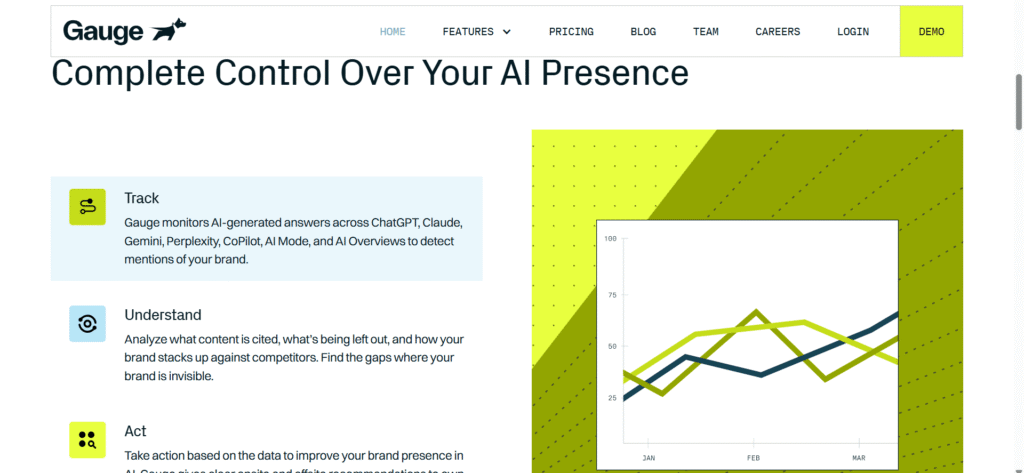
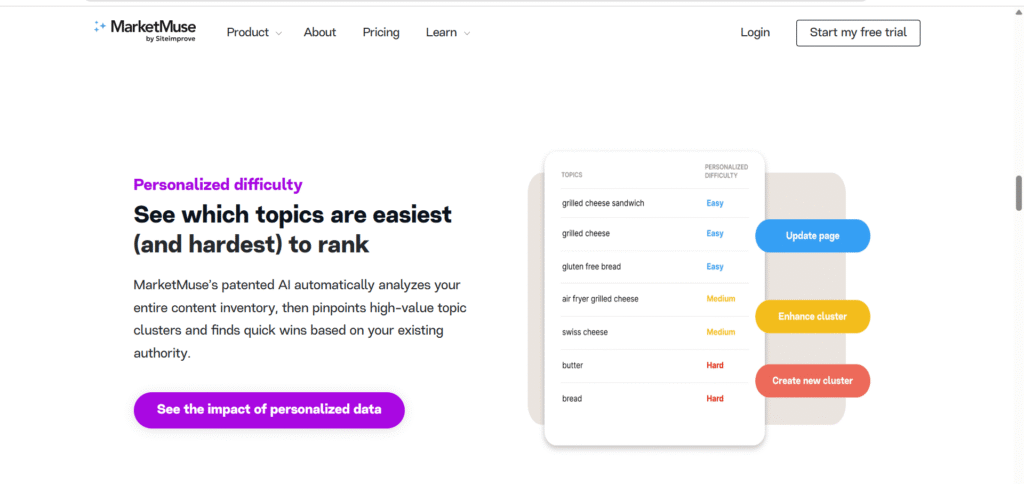
To bridge this gap, we have to move beyond basic answer-matching and toward Search Intelligence by building a dedicated GEO Tech Stack.
The Shift from AEO to GEO
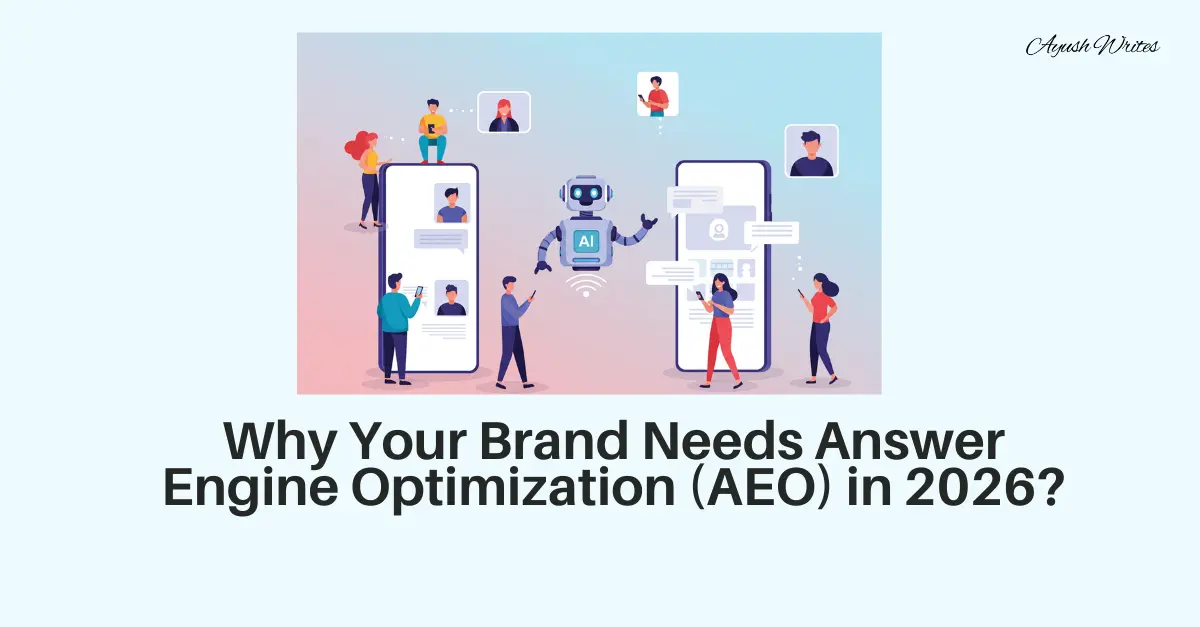
In 2026, AEO (Answer Engine Optimization) has already become a baseline commodity. Everybody knows it’s about results and intent, but most are still guessing at how to run it. To actually drive revenue, we must pivot to GEO (Generative Engine Optimization).’
The shift is backed by staggering data. According to the latest Semrush AI Overviews Study, AI-generated summaries now appear in roughly 16% of all Google queries, with a massive spike in commercial and transactional intent (up to 18.5% and 13.9% respectively).
Think of it this way: AEO is about being the answer, but GEO is about being the authority that the engine trusts to build that answer.
My experiments proved that while an answer might get you a mention, optimization for the engine’s synthesis is what actually captures the conversion. We are moving away from vanity clicks and toward a new North Star: Share of Model (SoM) and Citation Velocity.
Why My Experiments Led to “Search Intelligence”
When my blogs ranked but didn’t “perform,” it was because I was winning the keyword battle but losing the Information Gain war.
I wasn’t optimizing for how a Generative Engine prioritizes one source over another. Semrush data shows that keywords triggering these AI Overviews tend to be longer and more specific the exact “intent-heavy” queries where we used to thrive.
To stay ahead, your LLM Optimization Strategy must be backed by a technical infrastructure that can handle:
- Generative Engine Optimization (GEO): Moving from being a “search result” to a “validated solution” integrated into the AI’s logic.
- Real-time API Indexing: Using protocols like IndexNow to ensure LLMs don’t “hallucinate” based on outdated data.
- Brand Citation Gap Analysis: Identifying exactly where competitors are being cited so you can systematically bridge the authority gap.
The real crux of GEO is moving from being “found” by a user to being “integrated” into the AI’s logic. When a Generative Engine cites you as the definitive source, you aren’t just a search result: you become the validated solution that drives immediate user trust.
The GEO Tech Stack: Strategic Tools to Own the Search Intelligence Pillar
Building a Marketing Operating System (mOS) that actually converts in 2026 requires more than just “writing content.” You need a technical foundation that treats your website as a data source for AI.
Here is the breakdown of the GEO Tech Stack, categorized by the specific intent each tool serves in your workflow.
The Strategic Benefits of a GEO-First Approach
Why bother about moving your entire mOS from AEO to GEO? Because in 2026, the rewards aren’t just about traffic: they are about Brand Equity in an automated world.
- Dominance in AI-Synthesized Answers: When a user asks an LLM for a recommendation, GEO ensures your brand isn’t just a link in a list, but the actual answer provided by the engine.
- Massive Gains in Information Gain (EEAT): By optimizing for “Primary Data” rather than keywords, you naturally build the highest level of Trust and Authority, which Google still rewards in traditional search.
- Reduced “Zero-Click” Friction: Even if a user doesn’t click through to your site, being the cited authority in an AI Overview builds immediate mental availability and brand recall.
- Future-Proofing Your Visibility: Gartner predicts a 25% drop in traditional search volume by the end of this year. GEO is your insurance policy against the collapse of the legacy clickstream.
Conclusion
We’ve covered the “what,” the “why,” and the “how” of integrating GEO into your Marketing Operating System. By now, you should have a clear blueprint for transforming a fragmented, keyword-obsessed stack into a unified, Search Intelligence engine that actually drives revenue in 2026.
Building an mOS is a journey of continuous optimization, not a one-time setup. My recent experiments have proven that the “Information Gain” war is won by those who treat their brand as a data source for AI, not just a destination for clicks.
I’ll be sharing more deep dives into GEO Tech Stacks, MarTech Ops, and Demand Generation to help you stay ahead of the curve as the search landscape shifts. Don’t miss the next field report – subscribe to the newsletter to get these validated strategies and “Share of Model” frameworks delivered directly to your inbox.